New Legal Pathways and Protections for Survivors of Domestic Violence
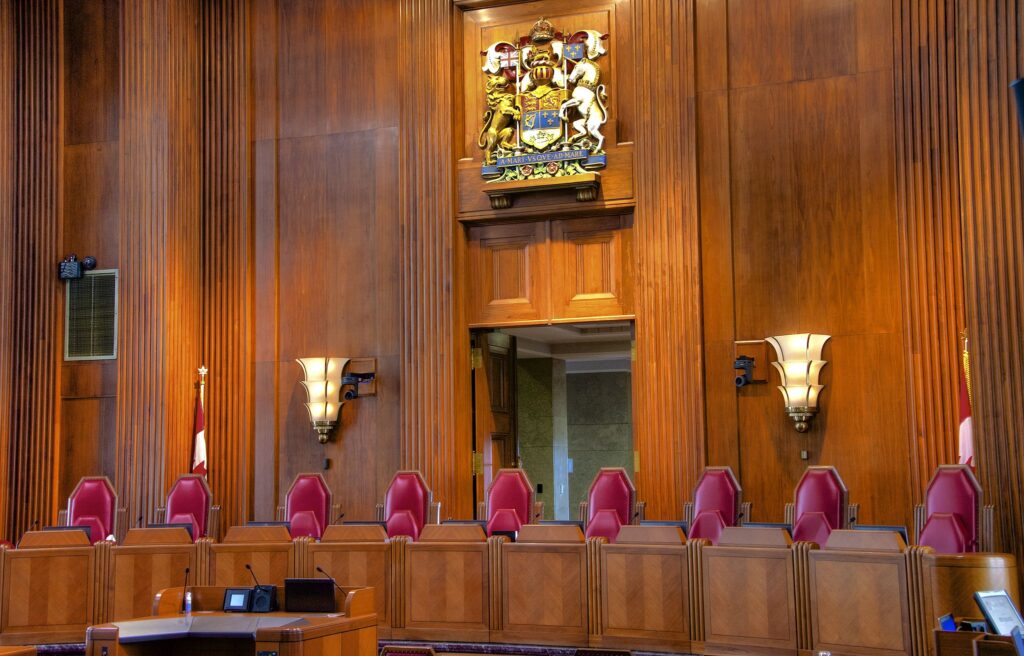
A recent Supreme Court of Canada decision has recognized a new tort of intimate partner violence that may allow survivors to sue their abusers for damages. That means a survivor may have another way to seek financial compensation for harm caused by coercive control, intimidation, isolation, financial abuse, and other forms of abuse.
This decision comes alongside other recent justice changes connected to domestic violence, including new bail reform and Bailey’s Law, also known as Bill C-225. These changes show that the justice system is starting to better recognize patterns of abuse, the danger survivors can face, and the need to respond before more harm is done.
Domestic violence is rarely limited to one incident. It can build over time. An abuser may control your money, monitor where you go, cut you off from family, friends or work, make threats, or create fear in daily life. For many survivors, that harm continues long after the relationship ends.
Having this recognized in civil and criminal law is important. It helps name the harm more clearly. It also acknowledges something survivors and those working in this field already know: abuse isn’t always visible, and coercive control can have serious and lasting effects.
At JMMF, our mission is to break the cycle of domestic violence. Advocacy is part of that work. When laws begin to better recognize coercive control, repeat violence, and the risks survivors face, it helps create a better public understanding of what domestic violence can look like.
For some survivors, these changes may provide another way to seek accountability. They may also help courts and communities better understand the impact abuse can have on someone’s life.
For some families, these changes come too late. That is a painful reality. Laws shaped by tragedy should remind us that people have already been harmed, and in some cases, lives have already been lost. Going forward, these changes should help create safer outcomes for survivors.
Still, suing an abuser is difficult. Civil court can be expensive, stressful, and hard to understand. If you’re dealing with safety concerns, housing instability, parenting responsibilities, trauma, financial pressure, or other legal issues, starting another legal process may feel overwhelming.
That’s why legal change needs real support behind it. A legal option only helps when survivors can access the information and support they need to use it safely.
Survivors still need safe housing, legal information, counselling, financial help, and people around them who understand the risks that can come with leaving. Accountability matters. Safety has to remain the priority.
At JMMF, we see every day that survivors are looking for more than a legal outcome. They’re working to rebuild their lives and feel safe again. Legal recognition can help name the harm. Community support helps survivors move forward.
These changes are progress. The next step is making sure survivors can actually access the support, information, and safety they need, so these legal changes can help them stay safe and rebuild their lives.
Further reading
[Learn more about the new tort of intimate partner violence]
[Learn more about Canada’s bail and sentencing reforms]